


K2 Vs Everest: Which Is Harder, Taller, And More Dangerous?
Two iconic peaks. Two completely different climbing experiences. One question that continues to divide the mountaineering world: K2 or Everest — which is truly the ultimate challenge?
Mount Everest holds the title of the highest mountain on Earth, attracting climbers from across the globe. K2, on the other hand, is known for its brutal difficulty and has earned a reputation as one of the most demanding climbs in the world.
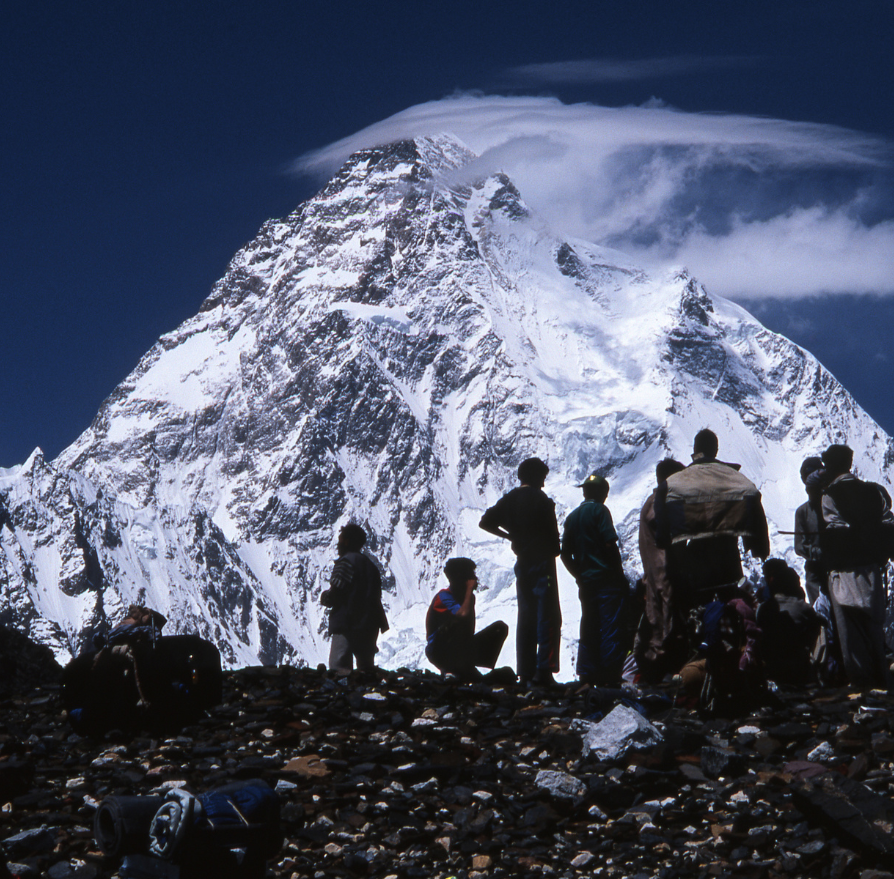
At Skardu Trekkers, we’ve worked closely with climbers, guides, and trekkers exploring the Karakoram and Himalayas. This detailed comparison is based on real expedition insights, updated data, and ground experience — giving you a clear, practical understanding of both mountains.
K2 vs Everest: Key Differences at a Glance
| Feature | Mount Everest | K2 |
|---|---|---|
| Height | 8,848.86 m | 8,611 m |
| Mountain Range | Himalayas | Karakoram Range |
| Location | Nepal / Tibet | Pakistan / China |
| First Successful Climb | 1953 | 1954 |
| Total Summits (approx.) | Over 13,000 | Fewer than 1,000 |
| Fatality Rate (modern) | Very low (~1–2%) | Significantly higher |
| Base Camp Access | Easier, developed trails | Remote, glacier trekking |
While this table highlights the basic differences, the real story lies in the experience of climbing each mountain.
Which Mountain Is Higher?
There is no debate here — Everest is the tallest mountain in the world. It stands nearly 240 meters higher than K2.
However, height alone does not define difficulty. Many experienced climbers consider K2 far more challenging despite its lower elevation. The terrain, exposure, and technical demands often make K2 feel like a much tougher climb overall.
Which One Is More Dangerous?
K2 has consistently been regarded as the more dangerous mountain.
Its steep slopes, unstable ice sections, and unpredictable weather create a high-risk environment. One of the most critical sections, often referred to as the Bottleneck, exposes climbers to serious objective hazards, including falling ice.
Everest, in comparison, has become more manageable over time due to established routes, fixed ropes, and organized expedition support. While it still carries risks, improved logistics and planning have reduced overall danger levels.
At Skardu Trekkers, we emphasize that both mountains demand respect — but K2 requires a much higher tolerance for risk and uncertainty.
Which Mountain Requires More Skill?
K2 is widely considered a technical climb, requiring advanced mountaineering skills.
Climbers must handle steep rock faces, ice walls, and exposed ridges. Every section demands focus, precision, and strong climbing experience.
Everest’s most commonly used route is less technical, although it still requires proper training and physical preparation. With guided expeditions, fixed ropes, and support teams, it has become accessible to well-prepared climbers.
In simple terms:
- Everest tests endurance and altitude tolerance
- K2 tests technical skill, decision-making, and mental strength
Why Is Everest More Famous?
Everest’s global recognition comes from one simple fact — it is the highest point on Earth.

This has turned it into a symbol of achievement for adventurers worldwide. Over the years, it has gained popularity not only among climbers but also trekkers visiting Everest Base Camp.
K2, by contrast, remains less commercialized and far more exclusive. It attracts experienced climbers who are looking for a serious, less crowded, and more demanding expedition.
Among professionals, K2 is often viewed as the ultimate test of mountaineering ability.
Is K2 Part of the Himalayas?
No, K2 is not located in the Himalayas.
It belongs to the Karakoram Range, a separate mountain system known for its rugged terrain and massive glaciers. This region, especially in northern Pakistan, offers some of the most dramatic landscapes on Earth.
Everest lies within the Himalayan range, which stretches across Nepal, India, Bhutan, and Tibet.
Understanding this difference is important because both regions have distinct weather patterns and expedition conditions.
Which Mountain Is Harder in Winter?
K2 in winter is considered one of the toughest challenges in mountaineering.
Extreme cold, powerful winds, and lower oxygen levels make conditions even more severe. Climbers face additional risks due to isolation and lack of support infrastructure.
Everest has been climbed in winter before, but K2 remained unconquered in winter for decades — highlighting just how extreme it is.
Cost Comparison: Everest vs K2
From an expedition planning perspective, cost plays a major role.
- Everest expeditions are generally more expensive due to higher permit fees, logistics, and commercial guiding services.
- K2 expeditions are comparatively lower in permit cost but require complex logistics due to remote access.
Typical expedition ranges:
- Everest: Higher overall investment due to infrastructure and services
- K2: Slightly lower cost but more challenging logistics and fewer support options
At Skardu Trekkers, we help trekkers and climbers plan cost-effective and realistic journeys based on their goals and experience.
Base Camp Experience: Which Is Better?
Both base camp journeys offer unforgettable experiences — but they are very different.
Everest Base Camp Trek
- Well-established trail
- Comfortable lodges and teahouses
- Large number of trekkers
- Easier accessibility

K2 Base Camp Trek
- Remote and wild environment
- Trek across the Baltoro Glacier
- No permanent accommodations — fully camping-based
- Unmatched mountain scenery, including multiple 8,000-meter peaks

For those seeking raw adventure and untouched landscapes, the K2 Base Camp trek offers a truly unique experience something we specialize in at Skardu Trekkers.
Experience the K2 Region Without Climbing K2
You don’t need to summit K2 to experience the legendary Karakoram. Trek across the Baltoro Glacier to Concordia and K2 Base Camp with experienced local guides and complete trekking support.
What Do Experienced Climbers Say?
Professional mountaineers consistently agree that K2 is the more demanding climb.
It requires not just physical strength, but also advanced technical ability and mental resilience. Even small mistakes can have serious consequences.
Everest remains a major achievement, but K2 commands deeper respect in the climbing community due to its difficulty.
Final Verdict: K2 vs Everest
Everest is taller. K2 is harder and more dangerous. Both facts are true.
Everest is the world’s highest point. Getting there is a genuine achievement. But the route is established, the infrastructure is extensive, and experienced guides can bring clients with limited technical skill to the summit.
K2 demands elite technical ability at every stage. It has a historic fatality rate of 23–25%. It has no easy route. Its weather is violent and unpredictable. Its most lethal section the Bottleneck sits directly beneath a serac that can collapse without warning.
For trekkers and mountaineers who want to experience the K2 region firsthand, the ultimate K2 guide covers everything from trek logistics to climbing history in one place.
The choice between these two mountains depends entirely on what you are looking for. Height or technicality. Fame or respect. A well-supported route or a raw, unforgiving climb.
Both mountains are extraordinary. But they are extraordinary in very different ways.
Plan Your Journey with Skardu Trekkers
Whether you are dreaming of trekking to K2 Base Camp or exploring the landscapes of northern Pakistan, Skardu Trekkers provides reliable guidance, local expertise, and carefully designed itineraries.
We focus on safety, authentic experiences, and helping adventurers connect with the mountains in the most meaningful way.



Comments are closed