


Women Trekking in Pakistan: The Ultimate Guide for Female Travelers
Pakistan’s northern mountains are home to some of the most dramatic landscapes on Earth. From the towering spires of the Karakoram to the lush green meadows of Fairy Meadows, this region offers trekking experiences that rival Nepal and Peru. Yet, for many female travelers, the question remains: Is it safe? Is it welcoming? Can I do it alone?
The answer is a resounding yes.
In recent years, Pakistan has witnessed a quiet revolution. Women both local and international are trekking deeper into the mountains than ever before. Pakistani women like Samina Baig and Naila Kiani have not just trekked; they have stood on the summits of the world’s highest and most dangerous peaks. Their achievements have shattered stereotypes and inspired a new generation of female adventurers.
This guide is designed specifically for women who want to experience the magic of trekking in Pakistan. We will cover the best treks, the practical logistics, cultural etiquette, safety protocols, and the inspiring stories of the women who have conquered K2 and Nanga Parbat. By the end, you will have everything you need to plan the adventure of a lifetime with confidence.
The Best Treks for Female Travelers in Pakistan
You do not need to be a professional mountaineer to enjoy Pakistan’s mountains. Here are the most popular treks that offer breathtaking views without requiring technical climbing skills.
1. The K2 Base Camp Trek – The Ultimate Adventure
This is the crown jewel of Pakistani trekking. The K2 Base Camp Trek takes you deep into the heart of the Karakoram Range, following the Baltoro Glacier to the base of the world’s second-highest mountain.
- Difficulty: Strenuous (requires good fitness and prior hiking experience).
- Max Altitude: Approximately 5,150 meters.
- Duration: 12 to 16 days round trip from Skardu.
- Highlight: Standing at Concordia, the confluence of glaciers, where you are surrounded by four 8,000-meter peaks: K2, Broad Peak, Gasherbrum I, and Gasherbrum II.
- Fact: A group of three Pakistani women from Karachi and Islamabad successfully trekked to K2 Base Camp and back, proving that this adventure is achievable for determined women.
2. The Nanga Parbat Base Camp Trek – The Killer Mountain
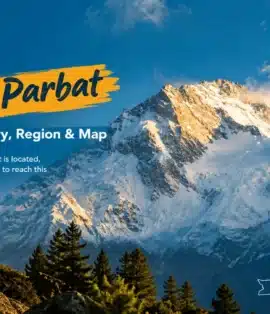
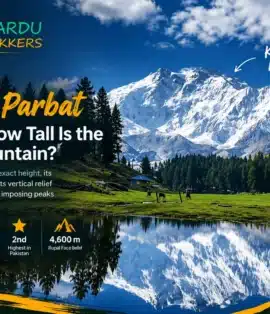
Nanga Parbat, standing at 8,125 meters, is the ninth-highest peak in the world. It earned the nickname “Killer Mountain” due to its treacherous climbing history. However, its base camp trek is far more accessible.
- Difficulty: Moderate to challenging.
- Highlight: The trek takes you through Fairy Meadows, a stunning alpine meadow with postcard-perfect views of the mountain’s massive Rupal Face.
- Duration: 5 to 7 days.
- Best For: Beginners or those with limited time who still want to experience a world-class mountain up close.
3. The Gondogoro La Pass Trek
Often combined with the K2 Base Camp trek, the Gondogoro La Pass is a technical crossing that adds an extra layer of adventure.
- Difficulty: Challenging (requires scrambling and proper snow gear).
- Max Altitude: 5,585 meters.
- Tip: This pass is highly dependent on weather conditions. Always cross with a licensed, experienced guide.
4. Spantik (Golden Peak) – For the Ambitious
At 7,027 meters, Spantik is one of Pakistan’s most demanding high-altitude climbs, but it is achievable for experienced trekkers with proper acclimatization. In 2024, a team of four women from Gilgit-Baltistan successfully summited Spantik without the use of high-altitude porters, a testament to their strength and determination.
5. Hunza Valley and Deosai Plains – Gentle Hikes
If you prefer easier terrain, the Hunza Valley offers safe, scenic day hikes. The Deosai Plains, the second-highest plateau in the world, provide flat walking routes with spectacular views of wildflowers and Himalayan brown bears.
The Trailblazers – Pakistani Women Who Conquered K2 and Nanga Parbat
To understand why trekking in Pakistan is becoming so popular among women, you need to know the stories of the pioneers who made it possible. These women did not just climb mountains; they broke cultural barriers and inspired a nation.
The First Pakistani Woman on K2 – Samina Baig
On July 22, 2022, Samina Baig made history. At 7:42 AM, she became the first Pakistani woman to summit K2, the world’s second-highest peak at 8,611 meters.
Samina comes from the remote village of Shimshal in Gilgit-Baltistan. Her journey from a small mountain village to the top of the “Savage Mountain” is a story of sheer determination. When she reached the summit, she raised the green and white flag of Pakistan, sending a powerful message to women across the country: The mountains belong to everyone.
This achievement was not her first. In 2013, she became the first Pakistani woman to summit Mount Everest. She also holds the record for being the first Pakistani (man or woman) to climb the Seven Summits the highest peak on every continent.
The Record-Breaking Climber – Naila Kiani
If Samina Baig opened the door, Naila Kiani kicked it wide open. Naila is a Dubai-based banker and aerospace engineer a career that might seem far removed from high-altitude mountaineering. Yet, she has become Pakistan’s most decorated female climber.
- Gasherbrum II (2021): Naila became the first Pakistani woman to summit an 8,000-meter peak within Pakistan. She achieved this just six months after giving birth to her second child, showcasing extraordinary physical resilience.
- K2 (2022): Just days after Samina Baig, Naila also stood on the summit of K2, becoming the first Pakistani woman to climb two 8,000-meter peaks in the country.
- Nanga Parbat (2023): In July 2023, Naila and Samina Baig stood together on the summit of Nanga Parbat. They became the first Pakistani women to conquer the “Killer Mountain.”
- The Grand Slam: By 2025, Naila had summited 12 of the 14 highest peaks on Earth, including Everest, Lhotse, Makalu, and Kanchenjunga. She is on track to become the first Pakistani to complete all fourteen.
The Most Recent Inspiration – Sultana Nasab (2026)
In 2026, history was made once again. Sultana Nasab became the third Pakistani woman to summit K2. What makes her story truly extraordinary is that she climbed the world’s second-highest peak while five months pregnant.
During the expedition, Sultana encountered dangerous “black ice” on the route. Despite the risks, she pushed through and became the only woman out of six on her team to successfully reach the summit. She later said, “I am just happy to stand on the top with my baby. We did it.”
International Pioneers – The Foundation
It is also important to remember the international women who paved the way. On June 23, 1986, Wanda Rutkiewicz of Poland became the first woman to summit K2 and return alive. She also climbed Nanga Parbat in 1985. In 2014, an all-female Nepali team—Pasang Lhamu Sherpa Akita, Dawa Phuti Sherpa, and Maya Sherpa summited K2, becoming the first all-female Nepali team to do so. These early achievements created a legacy that Samina, Naila, and Sultana now build upon.
Practical Logistics – Permits, Seasons, and Getting There
Planning your trek requires careful attention to timing and regulations. Here is everything you need to know.
The Best Time to Trek
The peak trekking season in Karakoram is from June to August. During these months, the weather is most stable, temperatures are warmer, and the high passes are free of snow. Attempting treks outside this window significantly increases the risk of harsh weather and impassable trails.
Permits and Registration
Trekking in Pakistan’s high-altitude zones requires specific permits.
- Restricted Area Permit: This is mandatory for foreign visitors trekking in areas like K2 Base Camp and Nanga Parbat Base Camp.
- The Rule: To obtain this permit, you must be accompanied by a licensed mountain guide. This is a safety regulation enforced by the Tourism Department of Gilgit-Baltistan.
- Cost: Permit fees typically range between $100 and $150 USD per person. These costs are often included in the price of a guided tour package.
- Registration: All foreign nationals must also register with local authorities upon arrival in Gilgit-Baltistan.
Getting to Skardu
Most treks begin in Skardu, the gateway to the Karakoram.
- By Air: Pakistan International Airlines (PIA) operates flights from Islamabad to Skardu. However, flights are often delayed or canceled due to weather.
- By Road: The journey from Islamabad to Skardu takes about 20-24 hours by road via the Karakoram Highway. It is a long but scenic route.
Accommodation Options
- In Towns: Skardu and Hunza offer hotels and guesthouses. However, some establishments have rules about unrelated men and women sharing rooms something to be aware of if you are traveling solo.
- On the Trail: Accommodation is primarily camping. Skardu Trekkers provides all necessary camping gear, including comfortable tents and sleeping bags.
Cultural Etiquette – How Women Should Dress and Act
Understanding and respecting local customs is essential for a safe and enjoyable trip. The people of Gilgit-Baltistan are known for their warmth and hospitality, but as a visitor, you must show respect.
Dress Code, Modesty Matters
- What to Wear: While Western clothing is acceptable in major cities like Islamabad, you should adopt a more modest dress code while trekking. Wearing a Shalwar Kameez (a traditional tunic and loose trousers) is highly recommended.
- Why? It shows respect for local culture. It also protects your skin from the harsh sun and fits well with the local environment.
- Scarves: Carry a light scarf or dupatta. You may need to cover your head when entering mosques or local homes.
Behavior and Interaction
- Hospitality: Locals are incredibly hospitable. You will frequently be offered tea and food. It is polite to accept these gestures.
- Physical Contact: Avoid hugging or touching local men. A simple handshake (if offered) or a nod is sufficient.
- Photography: Always ask for permission before taking photos of local women, religious sites, or military installations.
Is Solo Female Travel Safe in Pakistan?
This is the most common question we hear. The reality is layered, but generally positive.
The Good News
In the established tourist circuits of Hunza, Skardu, and Fairy Meadows, solo female travelers are widely welcomed. The Ismaili community in Hunza, in particular, is known for being liberal, educated, and exceptionally respectful toward women. Many solo female travelers have visited multiple times and described their experiences as safe and life-changing.
The Official Warnings
The UK government and other foreign offices sometimes issue travel advisories warning of terrorism in remote areas. However, the mainstream trekking routes are heavily monitored, frequented by international tourists, and considered safe for organized groups.
Our Advice for Solo Travelers
- Join a Group Tour: It is always safer and more enjoyable to trek with a small group. You will share costs and make friends.
- Use a Reputable Operator: Skardu Trekkers provides local guides who act as your protectors, interpreters, and cultural ambassadors.
- Avoid Night Travel: Do not walk alone after dark in remote villages or along empty roads.
- Stay Connected: Share your detailed itinerary with family and friends back home.
Health, Altitude Sickness, and Emergency Rescue
The high altitude is the biggest health risk you will face. Understanding how to manage it is the difference between a successful trek and a dangerous one.
Understanding Altitude Sickness (AMS)
Above 2,500 meters, oxygen levels drop. Your body needs time to adjust. If you climb too fast, you risk Acute Mountain Sickness (AMS).
- Symptoms: Headache, nausea, dizziness, fatigue, and shortness of breath.
- Severe Cases: High-Altitude Pulmonary Edema (HAPE) and High-Altitude Cerebral Edema (HACE) can be fatal if ignored.
The Golden Rules of Acclimatization
- Climb Slow: Once above 3,000 meters, limit your sleeping altitude increase to no more than 300 to 500 meters per day.
- Take Rest Days: For every 1,000 meters of net altitude gain, take a full rest day.
- Hydrate: Drink 3 to 4 liters of water daily. Dehydration makes AMS worse.
- Descend if Sick: The only cure for severe AMS is to descend immediately. Do not wait. Do not “push through it.”
Natural Hazards
The Karakoram is prone to avalanches, rockfalls, and crevasses. In July 2026, a tragic avalanche on Broad Peak claimed the lives of ten climbers, including the famous Nirmal “Nims Dai” Purja. Similarly, Pakistani mountaineer Dr. Asma Mushtaq tragically died while descending Spantik due to a medical emergency.
Packing Essentials for Women
Packing light but smart is crucial. Here is a quick checklist to help you prepare.
- Footwear: Sturdy, waterproof trekking boots that are already broken in.
- Clothing: Moisture-wicking base layers, fleece jackets, a waterproof shell, and thermal underwear.
- Head and Hands: UV-blocking sunglasses, a wide-brim sun hat, warm gloves, and a beanie.
- Trekking Poles: Essential for reducing strain on your knees during descents.
- Hygiene: Biodegradable wet wipes, hand sanitizer, a headlamp (for nighttime bathroom trips), and a small towel.
- First Aid Kit: Ibuprofen (for headaches), Diamox (for altitude, consult a doctor first), blister plasters, and electrolyte powders.
- Power Bank: Electricity is scarce on the trail. Carry a high-capacity power bank for your phone and camera.
Conclusion: The Mountains Are Calling, Answer Them
Pakistan is one of the last great adventure frontiers on Earth. Its mountains are not just tall; they are soul-stirring. And the good news is that women are not just welcome here—they are celebrated.
From the world-record-breaking summits of Samina Baig and Naila Kiani to the incredible feat of Sultana Nasab climbing K2 while pregnant, the message is clear: these mountains belong to everyone. Whether you want to trek to K2 Base Camp, gaze up at the “Killer Mountain” from Fairy Meadows, or cross the thrilling Gondogoro La Pass, Pakistan is ready for you.
Safety comes down to simple, common-sense principles: dress modestly, follow the acclimatization rules, invest in good insurance, and always travel with a local expert.
At Skardu Trekkers, we specialize in making trekking accessible, safe, and unforgettable for women. We handle the permits, arrange the guides, and manage the logistics so that you can focus entirely on the breathtaking views and the adventure of a lifetime.
Are you ready to answer the call of the mountains? Contact Skardu Trekkers today, and let’s start planning your journey.



Comments are closed