

Laila Peak Difficulty, Climbing Routes and Summit Statistics: A Complete Guide
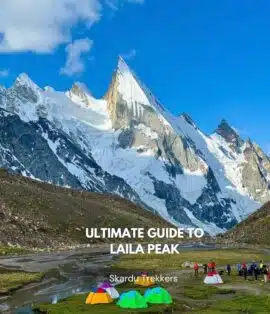
Laila peak pakistan is among the most iconic mountains in the Karakoram, attracting more fascination than almost any other peak due to its unique shape and extreme difficulty.
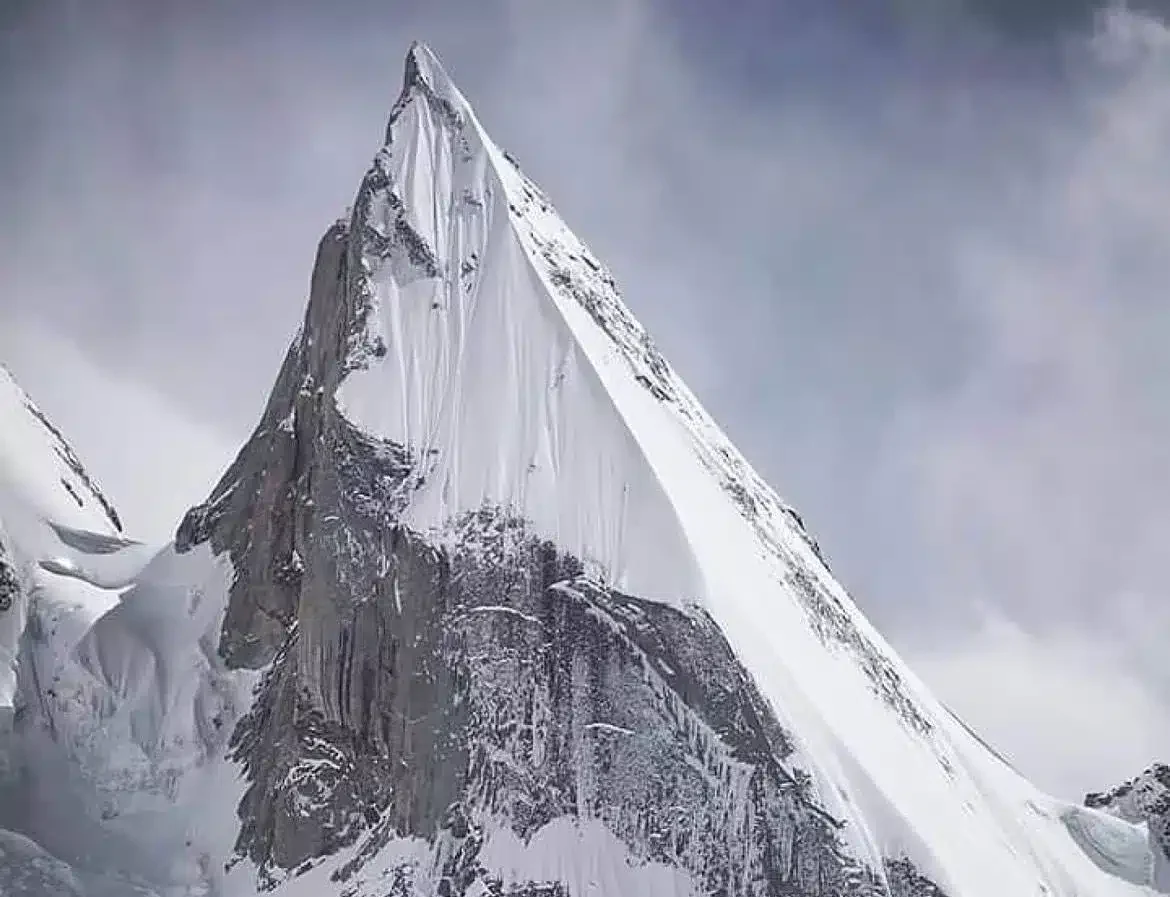
Its elegant spear-shaped summit rising dramatically above the glaciers of Hushe has made it one of the most photographed mountains in Pakistan. Yet behind its beauty lies a serious alpine challenge that only a handful of climbers have ever successfully completed.
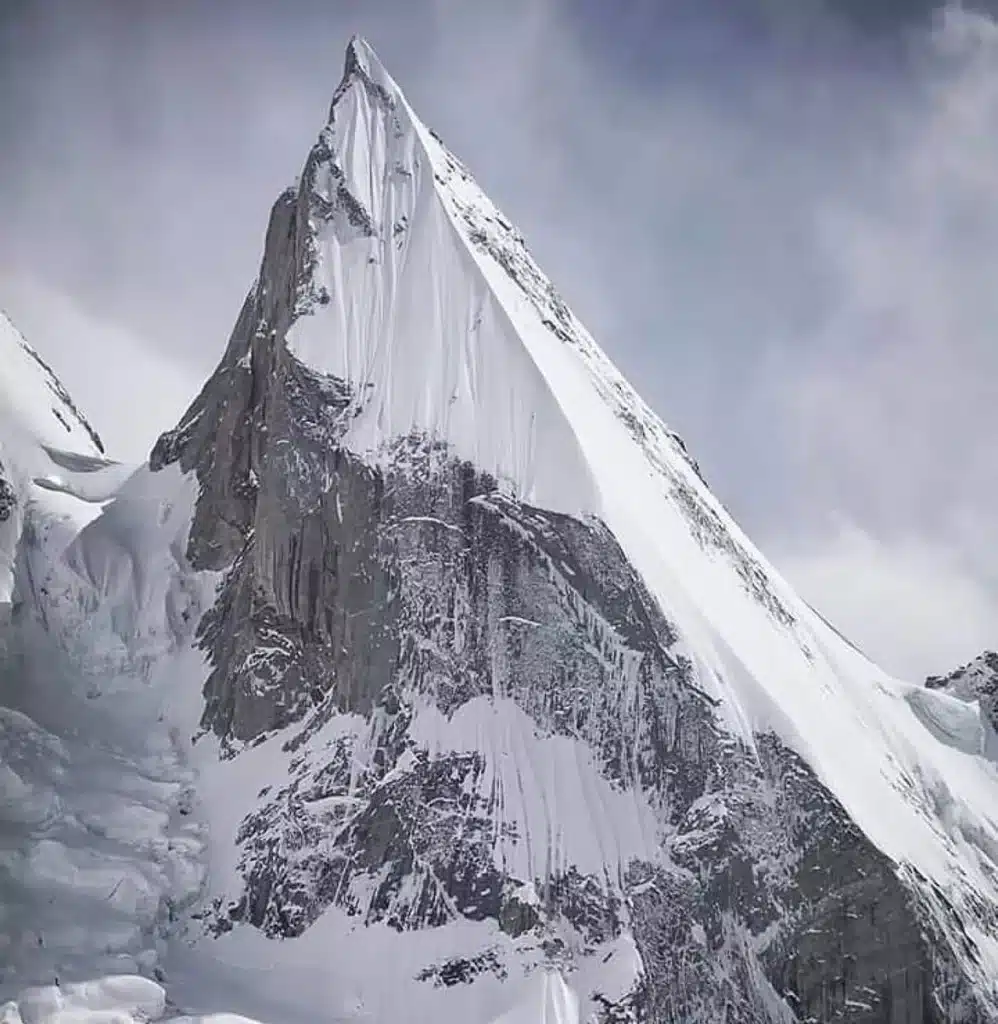
Unlike commercial trekking peaks climbed by hundreds every season, Laila Peak remains remote, technical, and extremely rarely summited. Many mountaineers consider it one of the most aesthetically perfect mountains in the world, but very few have ever stood on its summit ridge.
This guide covers the real Laila Peak difficulty, the main climbing routes, summit history, objective dangers, and who should realistically attempt this mountain.
How Difficult Is Laila Peak?
The overall technical grade of Laila Peak is generally considered PD+ to AD (Alpine Difficile) depending on route conditions, snow stability, and weather.
Although the mountain stands at approximately 6,096 meters, its technical challenge is considerably harder than most commercial trekking peaks in Nepal or Pakistan.
Required Technical Skills
Climbers attempting Laila Peak pakistan should already possess:
- Front-pointing ability on 45–55 degree ice slopes
- Strong crampon technique
- Ice axe arrest skills
- Fixed rope ascender (Jumar) experience
- Glacier travel and crevasse rescue knowledge
- High-altitude bivouac competence
- Experience on technical peaks above 5,000 meters
Laila Peak is not suitable as a first technical mountain.
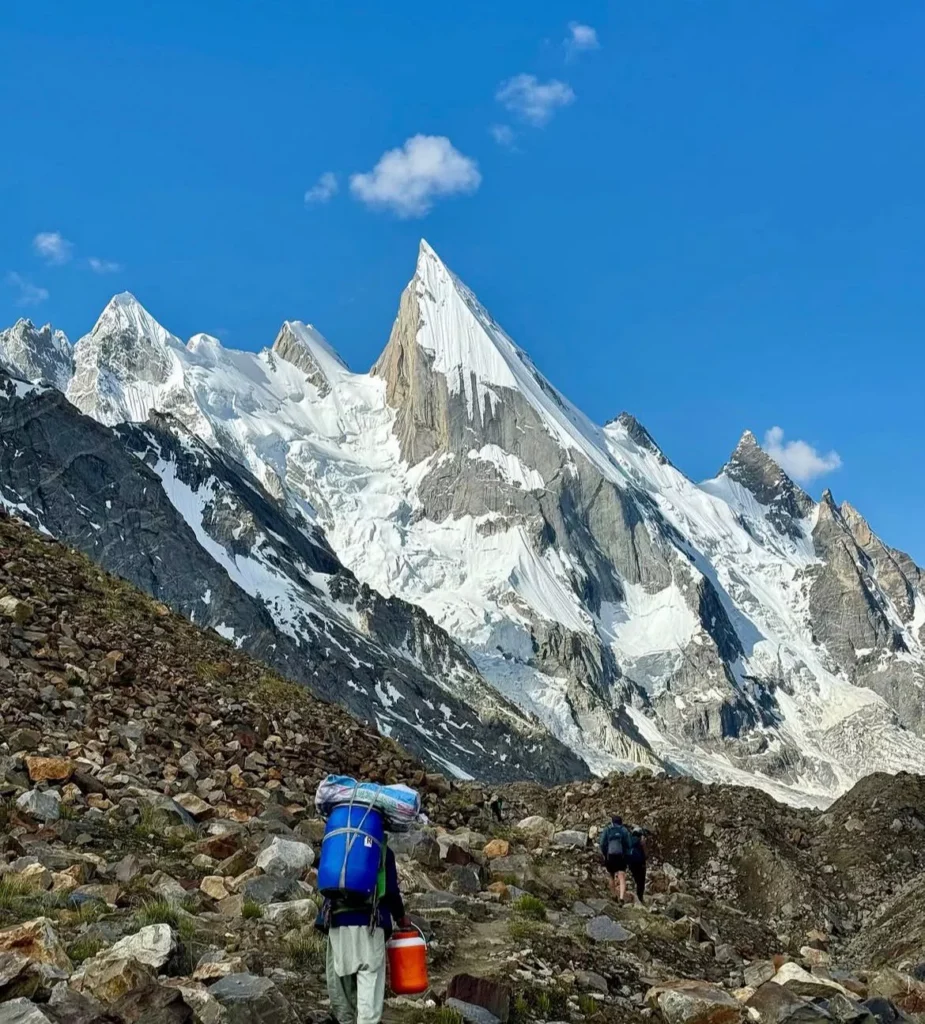
Compared to famous trekking peaks such as Mera Peak or Island Peak, Laila Peak is significantly harder and far more committing. In technical character, many alpinists compare sections of the climb to the lower routes of Ama Dablam, although Laila Peak is considerably more isolated and less supported.
There are no permanent fixed camps, limited rescue possibilities, and almost no commercial infrastructure.
The Northwest Face — Primary Route
The Northwest Face is currently regarded as the standard route on Laila Peak and has been the preferred line for modern expeditions since the late 1980s.
The approach begins through the glaciers of the Hushe region via the Gondogoro Glacier. Most teams establish an upper camp near the west col before traversing onto the Northwest Face.
Route Characteristics
The face consists of approximately 1,500 meters of sustained snow and ice climbing, typically between 45 and 55 degrees.
One defining characteristic of the Laila Peak route is the complete absence of easy terrain. Climbers remain continuously exposed from the lower face all the way to the summit ridge.
The summit itself forms a dramatic snow needle requiring careful ridge climbing and precise footwork, often with severe exposure on both sides.
Descent
Most teams descend via the same route using multiple rappels. Depending on conditions, climbers may complete up to ten rappels along sections of the west ridge and upper face.
Because the route remains steep during descent, fatigue management becomes critical. Many accidents on technical mountains happen during descent rather than ascent.
The West Face — 1987 Original Route
The original route on Laila Peak pakistan was climbed in 1987 by renowned alpinists:
- Simon Yates
- Andy Cave
- Sean Smith
- Tom Curtis
Their ascent approached directly from the Gondogoro Glacier onto the West Face before descending via rappels on the east side.
Today, this route is rarely attempted because of its technical seriousness and objective danger.
Although historically important, the West Face is considered substantially more dangerous than the modern Northwest Face route.
Laila Peak Summit Statistics
One reason Laila Peak pakistan holds legendary status in the mountaineering world is its extremely small number of successful ascents.
According to local inhabitants from Hushe Valley, only two fully successful summit expeditions are widely recognized, involving a total of approximately seven climbers reaching the summit in recorded history.
This makes Laila Peak statistically one of the least-summited named peaks in the Karakoram.
Remarkably, the mountain has fewer confirmed summits than K2 despite being much lower in elevation.
Because the number of attempts is extremely small, percentage-based summit statistics are not especially meaningful. The limited climbing history reflects the mountain’s technical seriousness, unstable conditions, and objective hazards.
Laila Peak Death Rate and Main Dangers
When discussing the Laila Peak death rate, it is important to understand that objective hazards are often more dangerous than the technical grade itself.
The greatest danger on Laila Peak is rockfall.
Primary Danger: Rockfall
The steep faces of the mountain are increasingly exposed because of declining snow coverage across the Karakoram.
During warm conditions, rocks continuously fall from upper sections of the face, particularly later in the day after solar heating intensifies.
In 2025, an unusually warm and dry summer created highly unstable climbing conditions with minimal snow cover across the mountain.
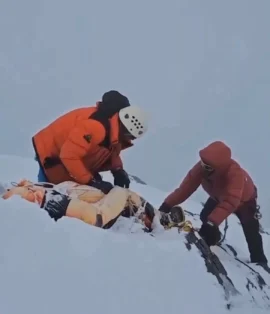
Laura Dahlmeier, the double Olympic champion, was killed by rockfall at approximately 5,700 meters on July 28, 2025 while climbing in the region.

Earlier, in 2016, Italian skier and mountaineer Leonardo Comelli died during a ski descent attempt.
Managing Rockfall Risk
Experienced teams generally:
- Begin climbing between 3am and 4am
- Move quickly through exposed sections
- Retreat before midday warming
- Avoid climbing after fresh rockfall activity
The face of Laila Peak reportedly carries significantly less snow today than it did two decades ago, increasing loose rock exposure across many sections.
Secondary Danger: Soft Snow Conditions
Another underestimated challenge on Laila Peak is unconsolidated snow.
Unlike colder alpine regions where overnight freezing creates firm morning conditions, snow in the Karakoram often remains soft even during early hours, especially in July and August.
Climbing steep 45–55 degree slopes in deep soft snow becomes physically exhausting and significantly increases fall risk.
If the lower face remains unconsolidated by sunrise, experienced climbers frequently abandon the summit push entirely.
Good climbing conditions on Laila Peak are rare, and patience is essential.
Laila Peak vs Other Karakoram Peaks
Many climbers researching Laila Peak difficulty compare it with other famous mountains in northern Pakistan.
| Peak | Height | Technical Grade | Commitment Level | Commercial Expeditions | Permit Requirement |
|---|---|---|---|---|---|
| Laila Peak | 6,096m | PD+ to AD | Very High | Extremely Rare | Yes |
| Spantik Peak | 7,027m | AD | Moderate to High | Available | Yes |
| Diran | 7,266m | PD | Moderate | Some Guided Teams | Yes |
| Gondogoro Peak | 5,650m | Non-technical | Moderate | Trekking Based | Usually Trek Permit |
| K6 West | 7,040m | ED | Extreme | None | Yes |
Among these mountains, it occupies a unique position. It is not the highest peak, but it combines technical climbing, unstable conditions, remote access, and limited rescue possibilities into a highly serious alpine objective.
Who Should Attempt Laila Peak?
Laila Peak should only be attempted by experienced alpinists with prior technical climbing experience at altitude.
This mountain is suitable for climbers who already have:
- At least two technical climbs above 5,000 meters
- Strong ice climbing ability
- Alpine expedition experience
- Glacier navigation skills
- High-altitude endurance
- Independent decision-making capability
Not Suitable For
Laila Peak is not recommended for:
- Beginner mountaineers
- Trekking peak climbers without technical experience
- Climbers without crampon and ice climbing proficiency
- Teams relying entirely on fixed ropes
- Anyone lacking previous exposure to high-altitude technical terrain
The mountain demands self-sufficiency, judgment, and patience more than speed.
Final Thoughts
Laila Peak pakistan remains one of the most visually stunning and least-climbed mountains in the Karakoram.
Its sharp summit pyramid attracts photographers, trekkers, and climbers from around the world, yet only a tiny number of mountaineers have successfully reached the top.
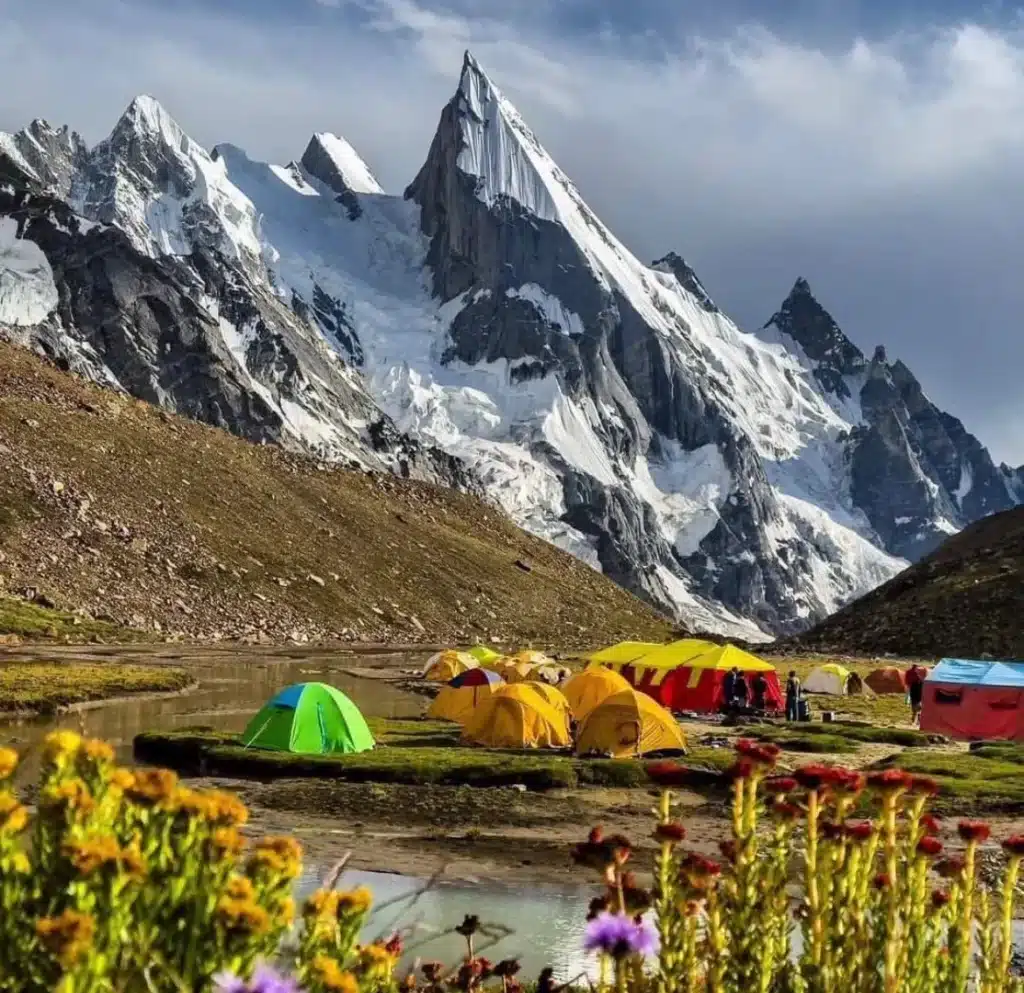
The true challenge of Laila Peak is not simply its steepness. It is the combination of technical climbing, objective hazards, changing climate conditions, soft snow, rockfall, and extreme remoteness.
For skilled alpinists, however, Laila Peak represents one of the purest alpine objectives in Pakistan — a mountain where success is rare, conditions decide everything, and the experience remains unforgettable.
Explore More From Skardu Trekkers
If you are researching technical climbing and trekking destinations in the Karakoram, you may also enjoy reading our detailed guides on:
- Best places to visit in skardu
- K2 vs Everest
- Best trekking packages in pakistan
- How dangerous is K2
- Best easy treks for beginners
These guides provide practical information about routes, altitude, difficulty, weather conditions, permits, acclimatization, and expedition planning across northern Pakistan.
Climb With Skardu Trekkers
Skardu Trekkers is a local adventure and mountaineering company based in Gilgit-Baltistan, specializing in trekking, climbing, cultural tours, and customized expeditions throughout the Karakoram and Himalayan regions of Pakistan.
Our team works closely with experienced local guides, climbers, and logistics experts to organize safe and professionally managed expeditions for international and domestic travelers. From technical peaks to high-altitude treks, we focus on authentic mountain experiences backed by local knowledge and responsible tourism.
Whether you are planning a trek or a climbing objective like Laila Peak, Skardu Trekkers provides complete logistical support, local expertise, and personalized expedition planning across northern Pakistan.