

The Complete Guide To Skardu, Pakistan (2026): Everything You Need To Know
Nestled in the heart of the mighty Karakoram Range, Skardu is one of the most spectacular travel destinations in Pakistan. Surrounded by snow-covered peaks, turquoise lakes, ancient forts, glaciers, and vast alpine valleys, Skardu has become the center of tourism and adventure travel in Gilgit-Baltistan.
For travelers seeking mountains, culture, trekking, photography, or peaceful landscapes, Skardu offers experiences unlike anywhere else in Pakistan. It is also the main gateway to some of the world’s most legendary trekking and mountaineering routes, including K2 Base Camp, Baltoro Glacier, Concordia, and the great peaks of the Karakoram.
This complete Skardu travel guide covers everything you need to know before planning your journey, including Skardu’s location, history, weather, attractions, trekking opportunities, safety, accommodation, and practical travel advice.
If you are planning a trip to northern Pakistan in 2026, Skardu deserves to be at the top of your list.
What is Skardu? Location, Geography, and Why It Matters
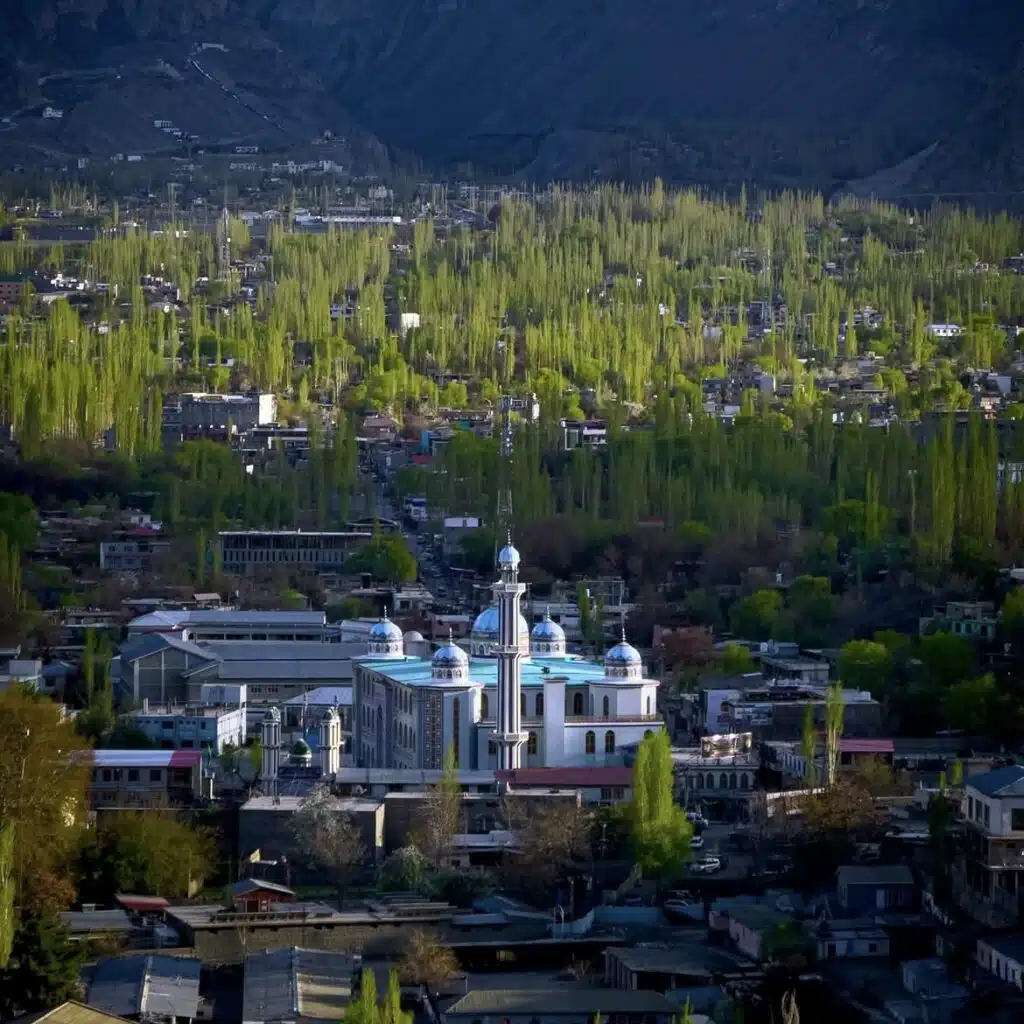
Skardu is the largest city in the Baltistan region of Gilgit-Baltistan, northern Pakistan. It lies along the Indus River and serves as the primary tourism and expedition hub for the Karakoram mountain range.
The city is globally famous because it acts as the main gateway for trekkers and climbers heading toward K2, Broad Peak, Gasherbrum, and other major peaks of the Karakoram. Beyond mountaineering, Skardu is known for its lakes, valleys, cold deserts, historical forts, and unique Balti culture.
Unlike many crowded tourist destinations, Skardu still retains its natural beauty and traditional atmosphere. Visitors can experience peaceful mountain villages, dramatic landscapes, organic food, and genuine local hospitality.
Where Exactly is Skardu on the Map?
Skardu is located in Gilgit-Baltistan in northern Pakistan at an altitude of approximately 2,230 meters (7,316 feet) above sea level.
Approximate travel distances:
- Islamabad to Skardu: 640 km by road
- Gilgit to Skardu: 200 km
- Skardu to Deosai Plains: 35–40 km
- Skardu to Askole: 126 km
The city sits between some of the world’s highest mountain systems, including the Karakoram, Himalayas, and Hindu Kush. Because of this strategic location, Skardu has become one of South Asia’s most important adventure tourism destinations.
Skardu’s Altitude and Karakoram Context
The Baltistan region is dominated by glaciers, granite peaks, alpine valleys, and high-altitude plateaus. Skardu’s location within the Karakoram Range gives it international importance among trekkers and mountaineers.
Some of the world’s most iconic mountain landscapes are accessible from Skardu, including:
- K2
- Baltoro Glacier
- Concordia
- Broad Peak
- Gasherbrum Peaks
- Deosai Plains
- Hushe Valley
- Shigar Valley

This mountain geography also creates dramatic seasonal beauty. During summer, valleys turn green and rivers flow with glacial water, while winter transforms the region into a snow-covered alpine landscape.
A Brief History of Skardu City
Skardu has a rich cultural and historical background shaped by trade, mountain civilizations, and Balti traditions. Historically, the region was connected to ancient trade routes linking Central Asia, Tibet, Kashmir, and South Asia.
For centuries, local rulers governed Baltistan through independent dynasties before the region eventually became part of modern Pakistan.
Even today, visitors can see strong Tibetan and Balti influences in local architecture, language, food, and traditions. Ancient forts, traditional wooden houses, irrigation channels, and mountain villages reflect the deep history of Baltistan.
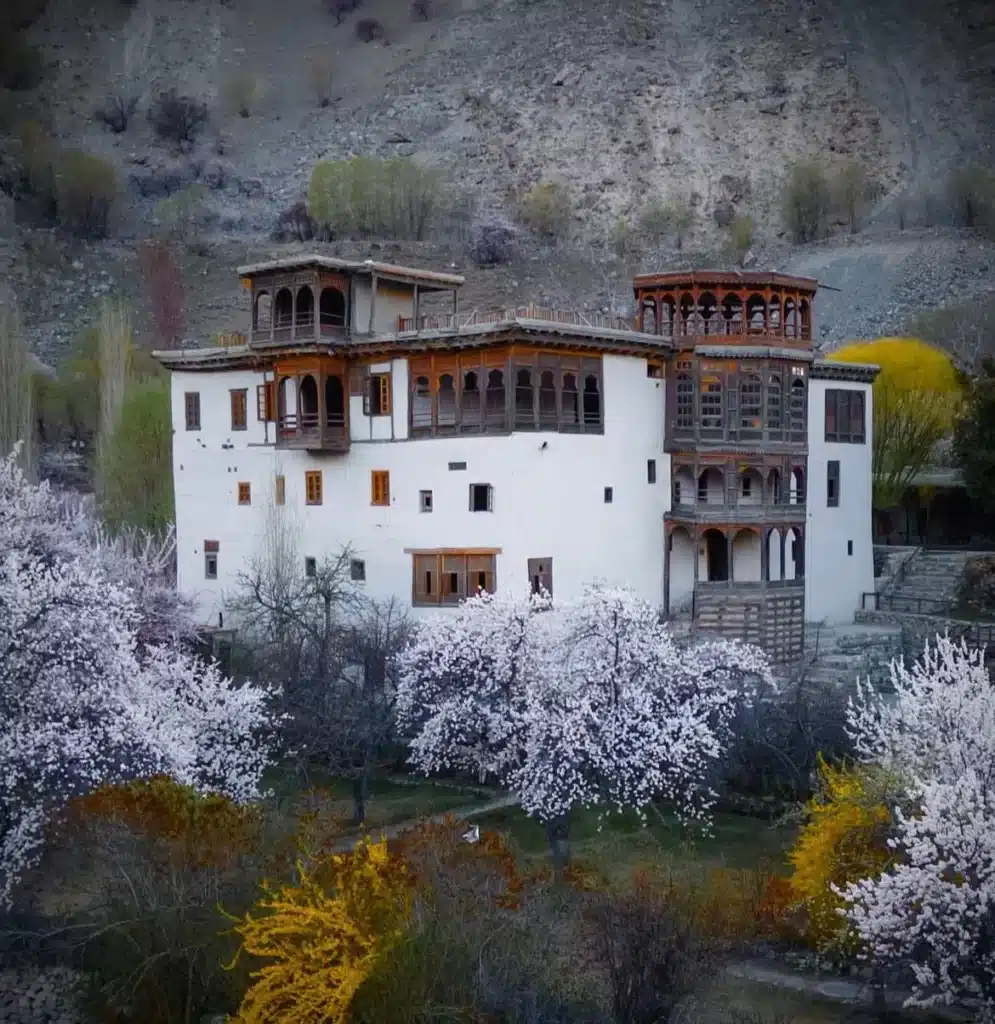
Historical landmarks near Skardu include:
- Shigar Fort
- Khaplu Palace
- Kharpocho Fort
- Ancient mosques and traditional Balti settlements
These places provide insight into the region’s unique cultural identity and mountain heritage.
Best Time to Visit Skardu
The best time to visit Skardu depends on the type of experience you want.
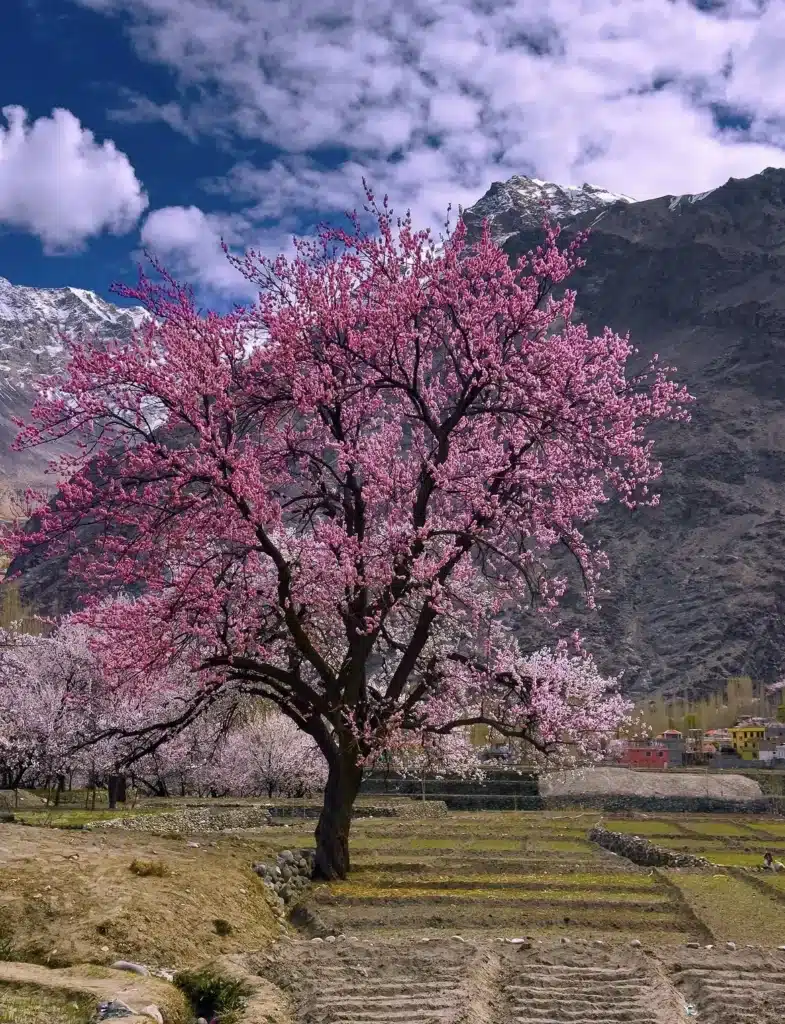
Spring (April to May)
Spring is one of the most beautiful seasons in Skardu. Apricot and cherry blossoms cover the valleys, temperatures become pleasant, and the mountains begin to open after winter.
This season is ideal for:
- Photography
- Family tours
- Cultural travel
- Sightseeing
Summer (June to September)
Summer is the peak tourism season in Skardu. Roads remain open, trekking routes become accessible, and weather conditions are usually stable.
This is the best time for:
- Trekking
- Camping
- Jeep safaris
- Expeditions
- Visiting Deosai Plains
- K2 Base Camp Trek
Autumn (October)
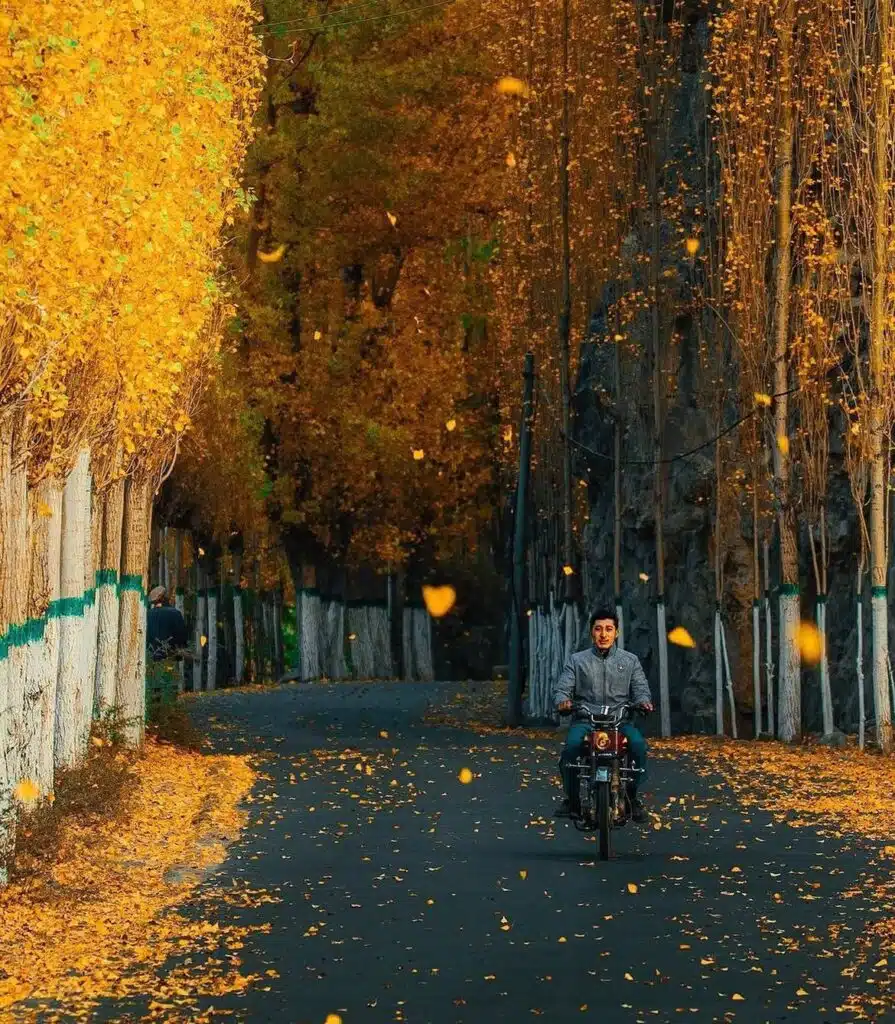
Autumn brings golden trees, colorful valleys, and clear skies. Tourist crowds decrease, making it an excellent season for peaceful travel and photography.
Winter (November to March)
Winter transforms Skardu into a dramatic snow-covered landscape. Temperatures can drop well below freezing, and some remote areas become inaccessible.
Winter is best for travelers who enjoy snow scenery and quiet mountain environments.
For most visitors, June to September is considered the ideal travel window.
More seasonal travel details are available on Skardu Trekkers.
How to Reach Skardu
Travelers can reach Skardu either by air or by road.
By Air
Flights between Islamabad and Skardu usually take around one hour. On clear days, passengers experience spectacular aerial views of Nanga Parbat and the Karakoram mountains.
However, flights are highly weather dependent, especially during winter and transitional seasons.
By Road
The road journey from Islamabad to Skardu typically takes 18 to 24 hours depending on road conditions and stopovers.
Main access routes include:
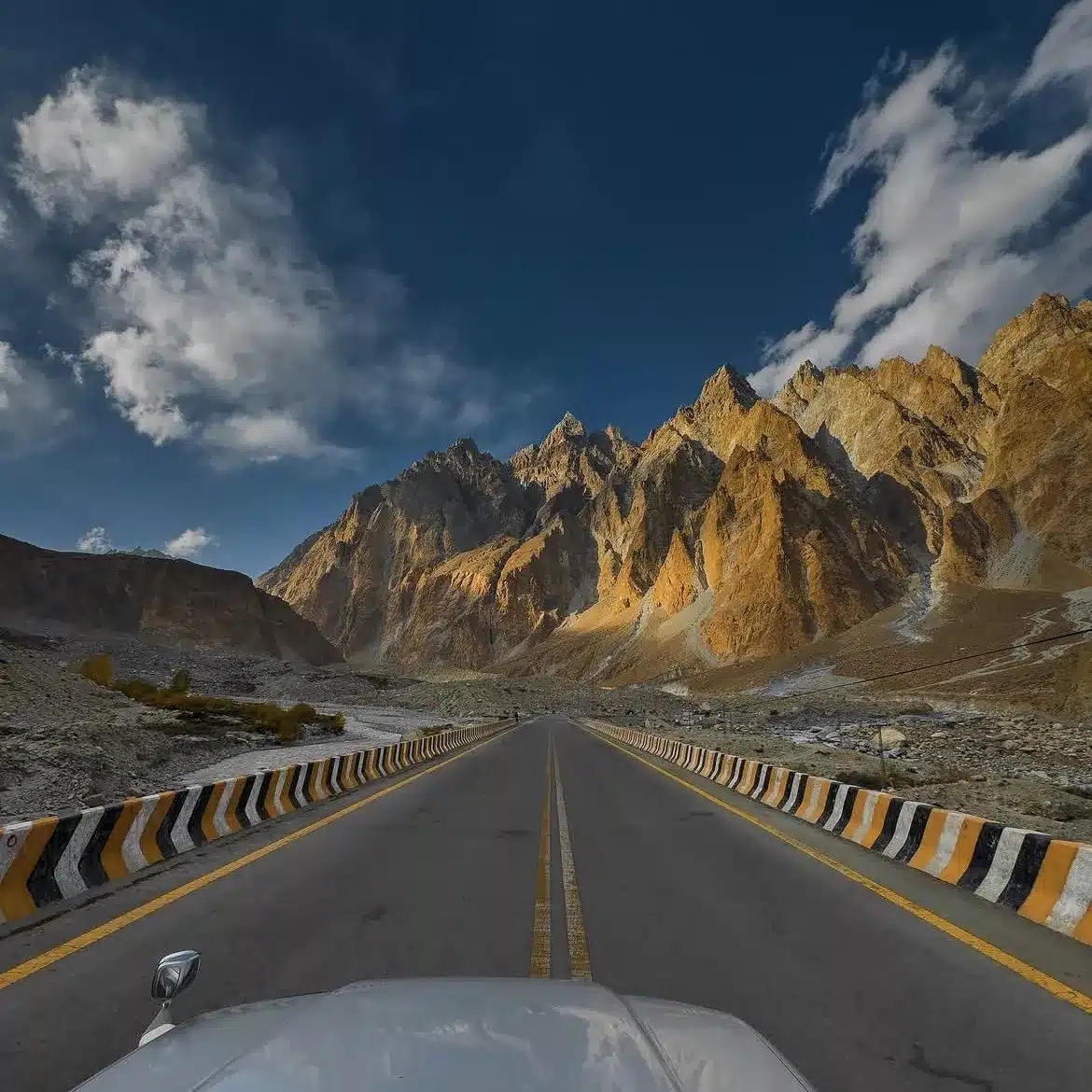
- Karakoram Highway via Gilgit
- Jaglot–Skardu Road
Recent road improvements have significantly improved travel accessibility to Baltistan. Travelers often stop overnight in:
- Chilas
- Gilgit
- Besham
Road travel offers incredible scenery, including rivers, mountain cliffs, waterfalls, and traditional villages.
Top Places to See in Skardu
Skardu is filled with natural wonders and cultural attractions. Some destinations are perfect for short sightseeing trips, while others are ideal for adventure travel.
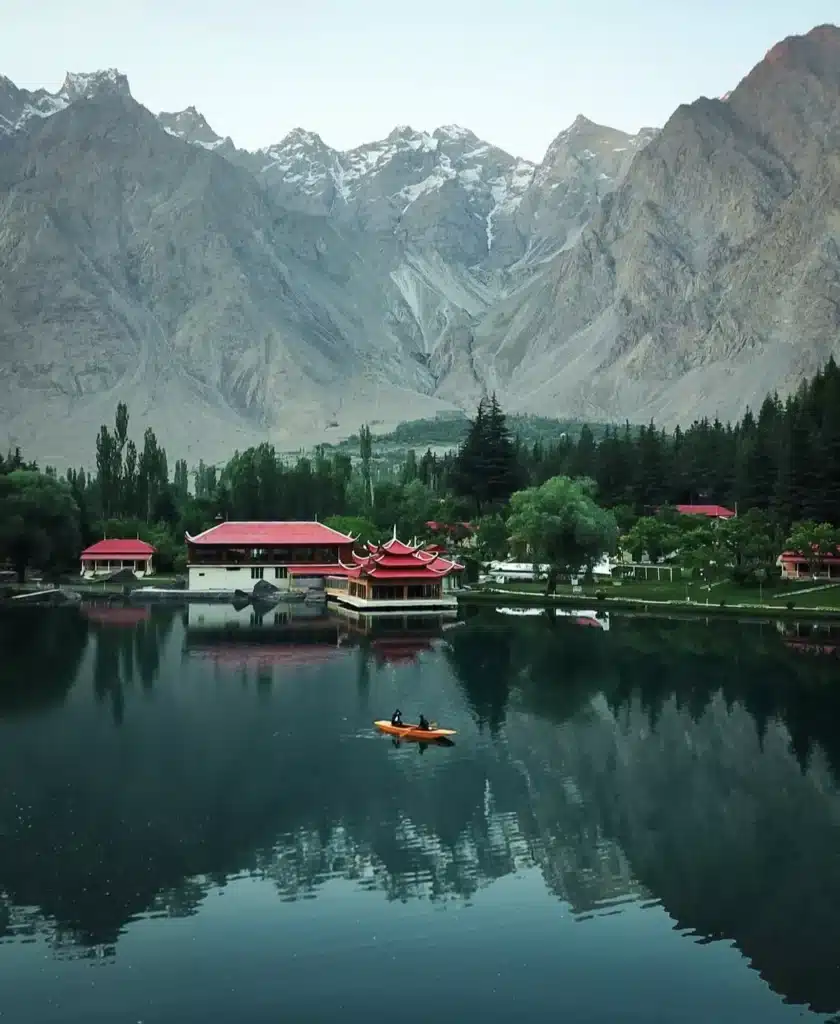
Shangrila Resort
Shangrila Resort is one of the most famous tourist attractions in Pakistan. Surrounded by mountains and built beside Lower Kachura Lake, the resort is famous for its peaceful environment and scenic beauty.
Upper Kachura Lake
Upper Kachura Lake is known for crystal-clear water and breathtaking mountain reflections. Visitors can enjoy boating, kayaking, photography, and peaceful lakeside views.
Satpara Lake
Located close to Skardu city, Satpara Lake is an important freshwater lake surrounded by dramatic mountain landscapes.
Deosai Plains
Known as the “Land of Giants,” Deosai is one of the highest plateaus in the world.
The region is famous for:
- Wildflowers
- Himalayan brown bears
- Endless grasslands
- Alpine lakes
- Stunning summer landscapes
During summer, Deosai becomes one of the most visited destinations near Skardu.
Sarfaranga Cold Desert
Sarfaranga is one of the world’s highest cold deserts. Massive sand dunes surrounded by snowy mountains create a surreal landscape unlike anywhere else in Pakistan.
The area is popular for:
- Jeep rallies
- Camping
- Photography
- Desert safaris
Shigar Valley
Shigar Valley combines culture, history, rivers, orchards, and mountain scenery. It is one of the most beautiful valleys in Baltistan and also serves as a route toward the Baltoro region.
Khaplu Valley
Khaplu is famous for traditional Balti architecture, riverside landscapes, and peaceful mountain villages. The valley offers a quieter and more cultural experience compared to central Skardu.
Where to Stay and Eat in Skardu
Skardu offers accommodation options for every type of traveler.
Visitors can choose from:
- Luxury resorts
- Boutique hotels
- Family guesthouses
- Traditional Balti lodges
- Budget hotels
- Trekking camps
Most hotels are concentrated around:
- Skardu city
- Upper Kachura
- Lower Kachura
- Shigar
- Khaplu
Food options in Skardu have improved significantly in recent years.
Popular local dishes include:
- Mamtu
- Balay
- Prapu
- Organic apricot products
- Traditional Balti tea
Restaurants in Skardu commonly serve Pakistani, Chinese, Balti, and continental cuisine.
Trekking and Expeditions from Skardu
Skardu is considered the expedition capital of Pakistan because almost all major Karakoram treks begin here.
Every year, climbers and trekkers from around the world arrive in Skardu to organize logistics, guides, permits, porters, and supplies.
K2 Base Camp Trek Overview

The K2 Base Camp Trek is one of the world’s greatest trekking adventures.
The standard route usually follows:
Skardu → Askole → Jhola → Paiju → Urdukas → Goro II → Concordia → K2 Base Camp
Key trek details:
- Duration: 12–18 days
- Maximum altitude: approximately 5,150 meters
- Difficulty level: strenuous
- Best season: June to August
Trekkers pass through Baltoro Glacier, one of the largest non-polar glaciers in the world, while witnessing legendary peaks including Trango Towers, Broad Peak, and K2.
Complete trekking logistics and expedition services are available through Skardu Trekkers.
Other Popular Treks Starting from Skardu
Apart from K2 Base Camp, many other famous treks begin in Skardu.
Popular trekking routes include:
- Snow Lake Trek
- Masherbrum Base Camp Trek
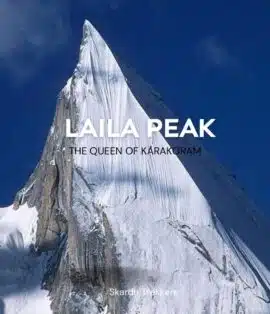
- Laila Peak Trek
- Gondogoro La Trek
- Khosar Gang Trek
- Hushe Valley Trekking Routes
- Deosai Camping Tours
Most trekking groups organize transport, camping, porters, guides, and permits directly from Skardu.
Practical Tips: Safety, Guides, and What to Expect
Traveling in Skardu is generally safe for tourists, especially when traveling with experienced local operators.
Important tips:
- Carry warm layers even during summer
- Weather changes rapidly in mountain regions
- Mobile coverage becomes limited on remote treks
- Acclimatization is important at high altitudes
- Respect local culture and traditions
- Trekking insurance is recommended
For restricted trekking zones near international borders or expedition routes, foreign tourists may require:
- NOC (No Objection Certificate)
- Registered tour operator support
- Passport documentation
Always verify current regulations before planning an expedition.
FAQs About Skardu
Is Skardu worth visiting?
Yes, absolutely. Skardu offers some of the most dramatic mountain landscapes in the world, along with lakes, deserts, valleys, trekking routes, and rich Balti culture. It is one of Pakistan’s premier adventure destinations.
How many days do you need in Skardu?
For sightseeing, 5–7 days is ideal.
For trekking and expeditions, travelers usually spend 10–20 days depending on the route.
Is Skardu safe for tourists?
Yes. Thousands of domestic and international tourists visit Skardu every year. Traveling with experienced local guides and registered operators improves safety significantly, especially for trekking and remote expeditions.
What is the best month to go to Skardu?
June to September is generally considered the best time due to stable weather, open roads, and trekking accessibility.
Do you need a permit to trek near Skardu?
Some trekking regions require permits or NOCs, especially for foreign trekkers heading toward restricted or border-sensitive areas such as K2 Base Camp and Baltoro Glacier expeditions.
Why Skardu Trekkers?
As a local team based in Baltistan, Skardu Trekkers provides firsthand knowledge, real ground logistics, experienced guides, trekking support, transportation, and expedition management across northern Pakistan.
Unlike generic travel platforms, our team operates directly from the region and works closely with local communities, guides, and mountain staff to provide authentic experiences in the Karakoram.
From sightseeing tours to high-altitude expeditions, we help travelers explore Skardu responsibly, safely, and professionally.