

-
5 Star Hotel
-
Islamabad
-
Yes
-
Available
-
Available
-
Yes
Overview
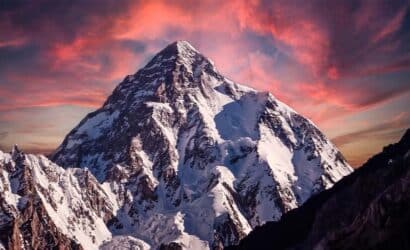
The Nanga Parbat Base Camp Trek is a breathtaking journey that takes adventurers to the base of Nanga Parbat, the ninth-highest peak in the world, standing at 8,126 meters. Known as the “Killer Mountain” due to its challenging terrain and difficult weather conditions, Nanga Parbat offers a captivating mix of natural beauty and adventure.
Starting from Fairy Meadows, a serene and picturesque plateau often described as “Heaven on Earth,” the trek provides a stunning contrast to the formidable mountain it leads to. Fairy Meadows is a lush green paradise, offering panoramic views of Nanga Parbat and an ideal spot for acclimatization and relaxation before the trek.
The trek typically begins in Islamabad, with climbers driving to Chilas. From Chilas, participants travel by jeep to the Tatu village and from there the participants will have to hike for 2-3 hours to reach Fairy Meadows, where the trek to Nanga Parbat base camp starts. The journey includes several trekking days through scenic landscapes and picturesque valleys.
Nanga Parbat Base Camp Trek at a glance
| Mountain | Nanga Parbat, 8,126 m (26,660 ft) |
| Location | Gilgit-Baltistan, Pakistan, at the western end of the Himalaya |
| Trek length | 11 days (Islamabad to Islamabad) |
| Trek start | Tato (Tatu) village, then Fairy Meadows |
| Fairy Meadows altitude | about 3,300 m |
| Base camp altitude | about 3,900–4,000 m |
| Trekking days | 5 on foot (Fairy Meadows, Beyal, base camp, and back) |
| Difficulty | Moderate to challenging, high altitude, no technical skills needed |
| Best season | May to September |
| Group size | Private, or fixed departures of up to 12 |
| Departs from | Islamabad |
Private Trek Cost
Our top priority is private treks, allowing you to customize your itinerary. We provide exclusive discounts for private treks and international trekking companies.
If you are looking for a private Nanga Parbat Base Camp Trek with family and friends, our cost schedule for groups are given below in the table
| Solo | 2 Persons | 4 Persons | > 4 Persons |
| $1,800 | $950 | $850 | $700 |
In addition to the iconic Nanga Parbat Base Camp Trek – 11 Days, we present various Treks and expeditions vacation choices for individuals and group travelers globally.
| Best Trekking Holidays Pack | Cost USD | Cost Euro |
| Nanga Parbat Base Camp & Fairy Meadows Trek – 11 Days | $1,100 | €850 |
| Nanga Parbat Base Camp & Rakaposhi – 15 Days (All-Inclusive) | $1,600 | €1,200 |
| Laila Peak Base Camp Trek – 14 Days (All-Inclusive) | $1,350 | €1,000 |
| K2 Base Camp Trek–20 days (All-Inclusive) | $2,050 | €2,000 |
| K2 Base Camp Trek(Trek only) | $1,650 | €1,650 |
| K2 Gondogoro La Trek-20 days (All-Inclusive) | $2,350 | €2,100 |
| Snow Lake Hisper La Trek (20-Days) | $4,300 | €4,000 |
For Pakistani Trekkers
The cost of the Nanga Parbat Base Camp Trek for Pakistani nationals is detailed in the table below. We also provide customized private and group packages for Pakistani Nationals. If you are looking for a private Nanga Parbat Base Camp Trek with family and friends, our costs for Nanga Parbat Base Camp Trek for groups are given below in the table:
| olo Cost | 2 to 4 person Cost | 4 to 8 person Cost | 8 to 20 person Cost |
| 4,00,000 PKR | 3,00,000 PKR | 2,50,000 PKR | 2,00,000 PKR |
About Nanga Parbat
Where is Nanga Parbat?
Nanga Parbat is in the Diamer district of Gilgit-Baltistan, northern Pakistan. It is the western anchor of the Himalaya, close to the point where the Himalaya, Karakoram and Hindu Kush ranges meet near the Indus River.
How high is it?
Nanga Parbat is 8,126 metres (26,660 ft) high. It is the ninth-highest mountain in the world. It is the second highest in Pakistan, after K2 (8,611 m).
Why is it called the Killer Mountain?
Early attempts on the mountain, starting with the British expedition of 1895, ended in the deaths of many climbers. The nickname stuck. The name “Nanga Parbat” comes from Sanskrit and means “Naked Mountain”. Some locals call it Diamir, “king of the mountains”.
First ascent. Austrian climber Hermann Buhl made the first ascent on 3 July 1953 as part of a German-Austrian expedition. He reached the summit alone, via the Rakhiot (Raikot) flank. This is the side you see on this trek.
The three faces of Nanga Parbat and where this trek goes
Nanga Parbat has three main faces. Each is reached from a different valley.
- Raikot (Rakhiot) face, north. This is the face you see on this trek. You reach it from Tato village, Fairy Meadows and Beyal Camp.
- Rupal face, south. About 4,600 m [confirm] from base to summit, often described as the highest mountain face in the world. You reach it from the Astore side.
- Diamir face, west. Reached from the Diamer and Chilas side. Most summit expeditions use this route.
If you want to see the Rupal or Diamir faces, ask us about longer routes such as Rupal Face treks or the Mazeno Pass crossing. The Fairy Meadows route is the shortest and the best choice for most first-time Nanga Parbat trekkers.
How difficult is the trek?
The trek is moderate to challenging. It is not technical: you will not need ropes, crampons or an ice axe. The challenge comes from altitude (you sleep above 3,000 m for several nights) and from long walking days on the way to base camp. You should be able to walk 5–7 hours a day over uneven ground. Start training 8–12 weeks before: hill walking, stair climbing and cardio with a loaded daypack.
We plan an acclimatization day at Fairy Meadows and a rest day at base camp so your body can adjust. Your guide checks everyone each day and will adjust the plan if anyone shows signs of altitude sickness: headache that does not go away, nausea, dizziness or unusual tiredness.
Best time to trek Nanga Parbat Base Camp
May to September is the best window.
- May to June: green meadows, snow on higher slopes, cool nights. Early-season trails can still have snow.
- July and August: warmest weather and the busiest climbing season. This is when base camp is active. Monsoon rain affects other parts of Pakistan, but the Nanga Parbat area is usually drier. Landslides on the road to Chilas are still possible .
- September: clear skies, quiet trails, cold nights, golden light on the meadows.
Is the Nanga Parbat Base Camp Trek safe?
The trek has real risks: altitude, weather, and road travel in remote mountains. Our safety plan:
- Licensed professional guides trained in wilderness first aid
- A satellite phone on every trek for emergency calls
- A basic first aid kit for the group
- An acclimatization day and a rest day built into the itinerary
- Private groups or departures of no more than 12 people
- Daily health and weather checks with the guide
We recommend travel insurance that covers high-altitude trekking and emergency evacuation. Helicopter rescue is not included in the price.
Trip Highlights
- • Fairy Meadows: This lush, green plateau offers incredible views of Nanga Parbat and is the starting point for the trek. It's an idyllic spot for relaxation and photography, surrounded by forests, meadows, and crystal-clear streams.
- • Diverse Scenery: The trek encompasses a variety of landscapes, from dense pine forests and green meadows to rocky terrains and glacial moraines, providing a visual feast for trekkers.
- • Nanga Parbat Viewpoint: A popular stop along the trek, offering close-up views of the towering Nanga Parbat and its surrounding peaks, providing an awe-inspiring experience.
- • Cultural Experience: Interaction with local communities, witnessing the traditional lifestyle of the region, and sharing stories with fellow trekkers and climbers from around the world (Base Camp Excursion).
- • Challenging Terrain: The trek presents a mix of easy and challenging sections, making it suitable for moderately experienced trekkers while still providing a sense of adventure and accomplishment.
- • High-Altitude Trekking: The journey includes significant altitude gains, offering trekkers the chance to experience the thrill of high-altitude trekking while ensuring proper acclimatization along the way (Base Camp Excursion).
- • Breathtaking Panoramas: Throughout the trek, trekkers are rewarded with stunning views of some of the highest peaks in the world, including the majestic Nanga Parbat and the surrounding Himalayan range.
- • Wildlife and Flora: The trek provides opportunities to observe diverse wildlife and flora native to the Himalayan region, adding to the natural charm of the expedition.
- • Adventurous Atmosphere: The base camp itself is a vibrant hub of activity, filled with mountaineers preparing for their ascent, creating an atmosphere of excitement and camaraderie.
- • Historical Significance: Nanga Parbat's rich climbing history and the stories of past expeditions add a layer of intrigue and inspiration to the trek, making it a truly memorable adventure.